
Best Budget to Mid-Level Microphones for Home Studios in 2026
Discover the best budget and mid-level microphones for recording vocals and instruments in your home studio. Compare the Shure PGA58, SM58, AT2020, and more.
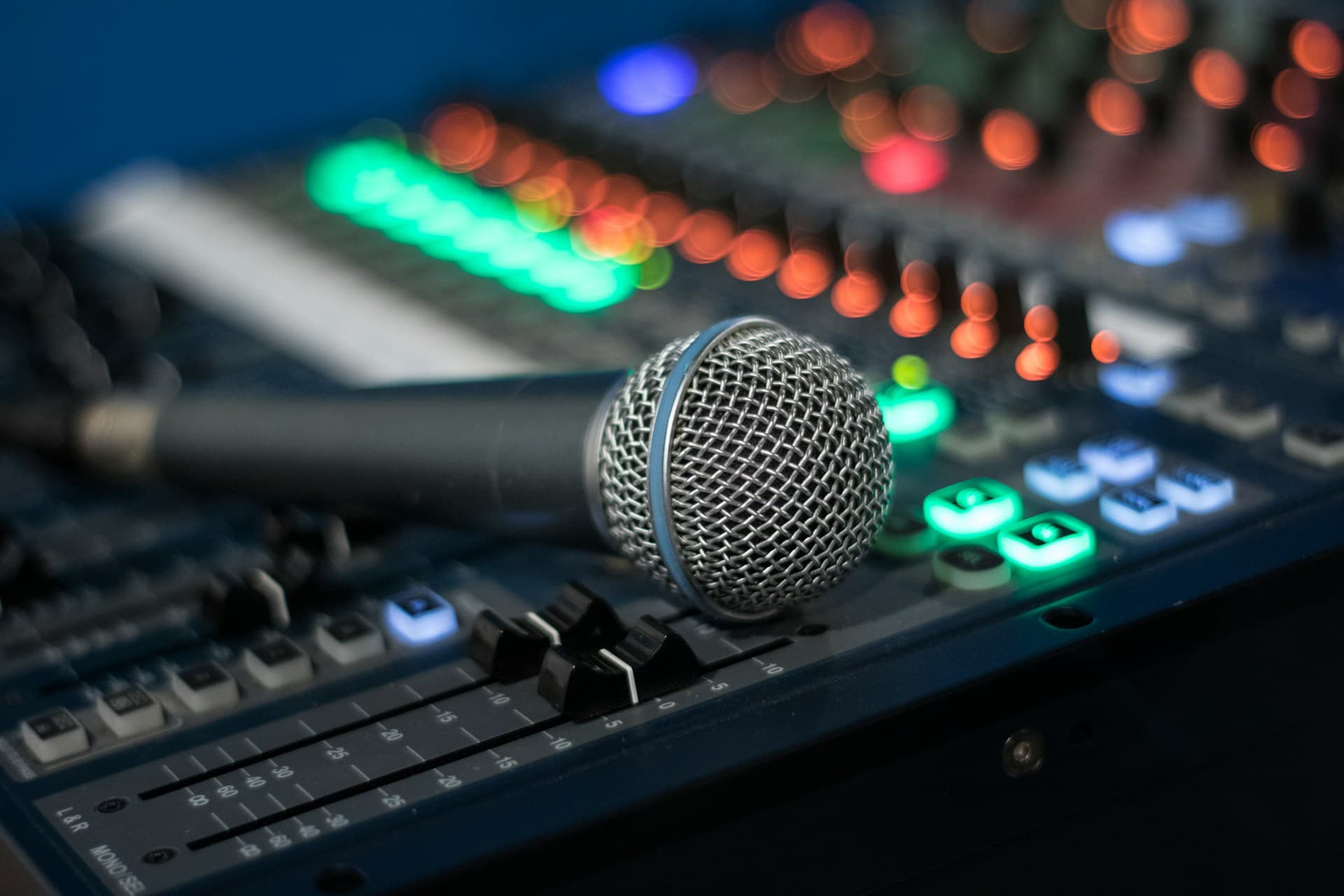
Choosing your first microphone can feel like navigating a minefield of technical specs and marketing hype. You've probably heard recording engineers swear by the Shure SM58 while YouTubers rave about the Audio-Technica AT2020. So which one is actually right for your home studio?
The good news is that you don't need to spend thousands of dollars to get professional-sounding recordings. Modern budget and mid-level microphones have become remarkably good, and understanding what each type excels at will help you make the right choice for your specific needs.
In this guide, we'll break down the best microphones in the $50-$300 range, explaining what makes each one special and helping you decide which fits your recording style.
Understanding Microphone Types: Dynamic vs. Condenser
Before diving into specific models, let's clear up the confusion between dynamic and condenser microphones. This isn't just technical jargon - it actually matters for your recordings.
Dynamic Microphones: The Workhorses
Dynamic mics are built like tanks. They can handle high sound pressure levels without distortion, making them perfect for loud sources like guitar amps, drums, and energetic vocal performances.
These microphones don't require external power (phantom power), which means they're plug-and-play with any audio interface. They're also less sensitive to room acoustics, which is a huge advantage if you're recording in an untreated bedroom or basement.
The trade-off? Dynamic mics typically capture less detail in the high frequencies compared to condensers. They're not "worse" - they're just designed for different purposes.
Condenser Microphones: The Detail Captors
Condenser mics capture more detail and have a wider frequency response. They excel at recording vocals, acoustic instruments, and anything where you want to hear subtle nuances and air in the performance.
They do require phantom power (usually +48V from your audio interface), and they're more sensitive to room noise and reflections. If your recording space isn't acoustically treated, a condenser might pick up more room sound than you want.
Understanding this difference is crucial because it affects which microphone will work best in your specific situation.
Top Budget Dynamic Microphones (Under $150)
Shure PGA58: The Budget Champion
The Shure PGA58 is where many home studio owners should start. At around $50-60, it delivers solid performance without breaking the bank.

This microphone shares DNA with its famous older sibling, the SM58, but costs about half as much. The frequency response is tailored for vocals, with a presence boost that helps voices cut through a mix naturally.
The PGA58 handles sound pressure levels up to 150dB, meaning you can scream into it without distortion. Its cardioid pickup pattern rejects sound from the sides and rear, reducing feedback and room noise.
Best for: Beginners on a tight budget, live vocals, podcast recording, home recording in untreated spaces
Where it falls short: Less durable construction compared to the SM58, not as much high-end detail as condenser mics
Real-world use case: If you're recording vocals in your bedroom with minimal acoustic treatment, the PGA58 will give you clean recordings without capturing too much room ambience. It's forgiving and delivers consistent results.
Shure SM58: The Industry Standard
Walk into any live venue in the world, and you'll find SM58s on stage. There's a reason this microphone has remained virtually unchanged since 1966 - it just works.
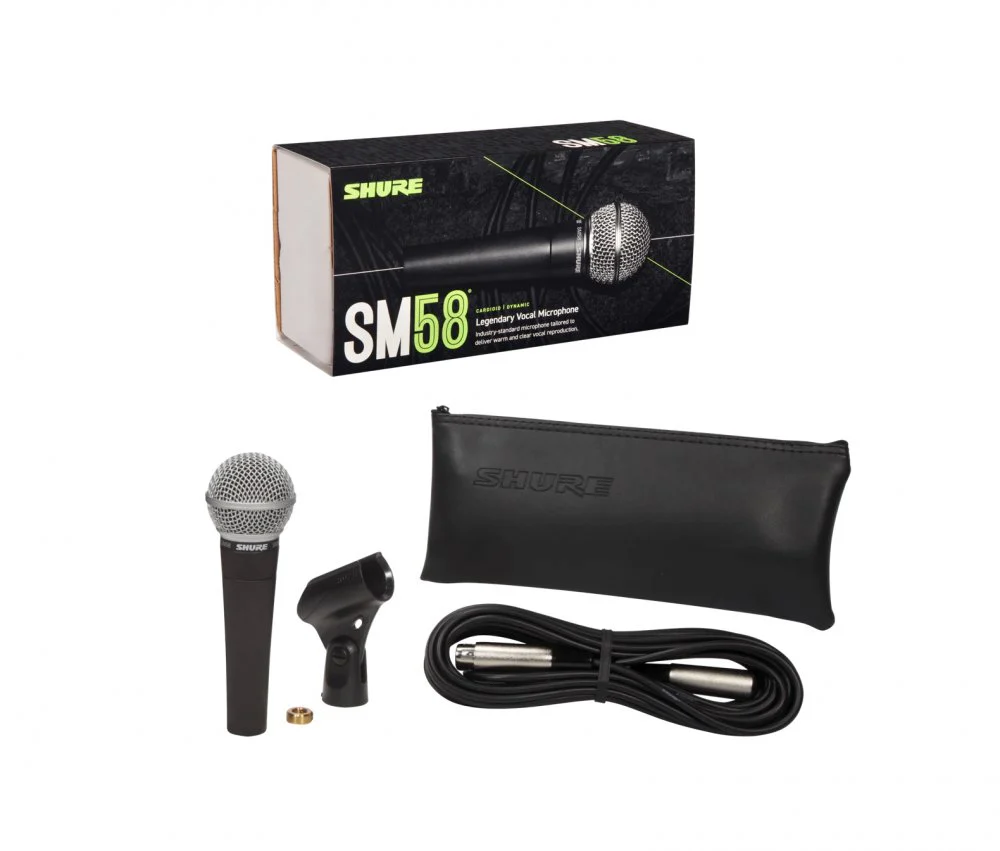
The SM58 typically runs around $100-120, making it more expensive than the PGA58 but still incredibly affordable for what you get. This microphone is genuinely indestructible - you could probably drive over it with a truck and it would still work.
Its frequency response is specifically designed for vocals, with a presence peak around 4kHz that brings out clarity and intelligibility. The built-in pop filter (the ball grille) reduces plosives naturally, saving you from needing an external pop filter in many situations.
Best for: Live performance, studio vocals, podcasting, interviews, anyone who needs a reliable workhorse mic
Where it falls short: Like most dynamic mics, it doesn't capture as much air and detail as condensers for certain applications
The SM58 vs PGA58 question: If you're primarily recording at home and budget is tight, the PGA58 gets you 85% of the way there for half the price. If you plan to use the mic for live performances or want something that will literally last decades, the SM58's extra durability and slightly better sound quality justify the investment.
Samson Q2U: The Hybrid Solution
Here's something different - the Samson Q2U offers both XLR and USB connectivity for around $120. This makes it incredibly versatile for home studio owners who might want to record directly to their computer sometimes and through an audio interface other times.

The sound quality sits somewhere between the PGA58 and SM58, with decent clarity and good rejection of background noise. It's not going to blow you away, but it's a solid performer that offers flexibility.
Best for: Podcasters, content creators, beginners who want USB convenience with the option to upgrade to XLR later
Where it falls short: Sound quality doesn't quite match the dedicated XLR-only options at this price point
Top Budget Condenser Microphones ($100-$250)
Audio-Technica AT2020: The Modern Classic
The AT2020 has become the de facto standard for budget condenser microphones, and for good reason. At around $100, it delivers sound quality that punches well above its price class.
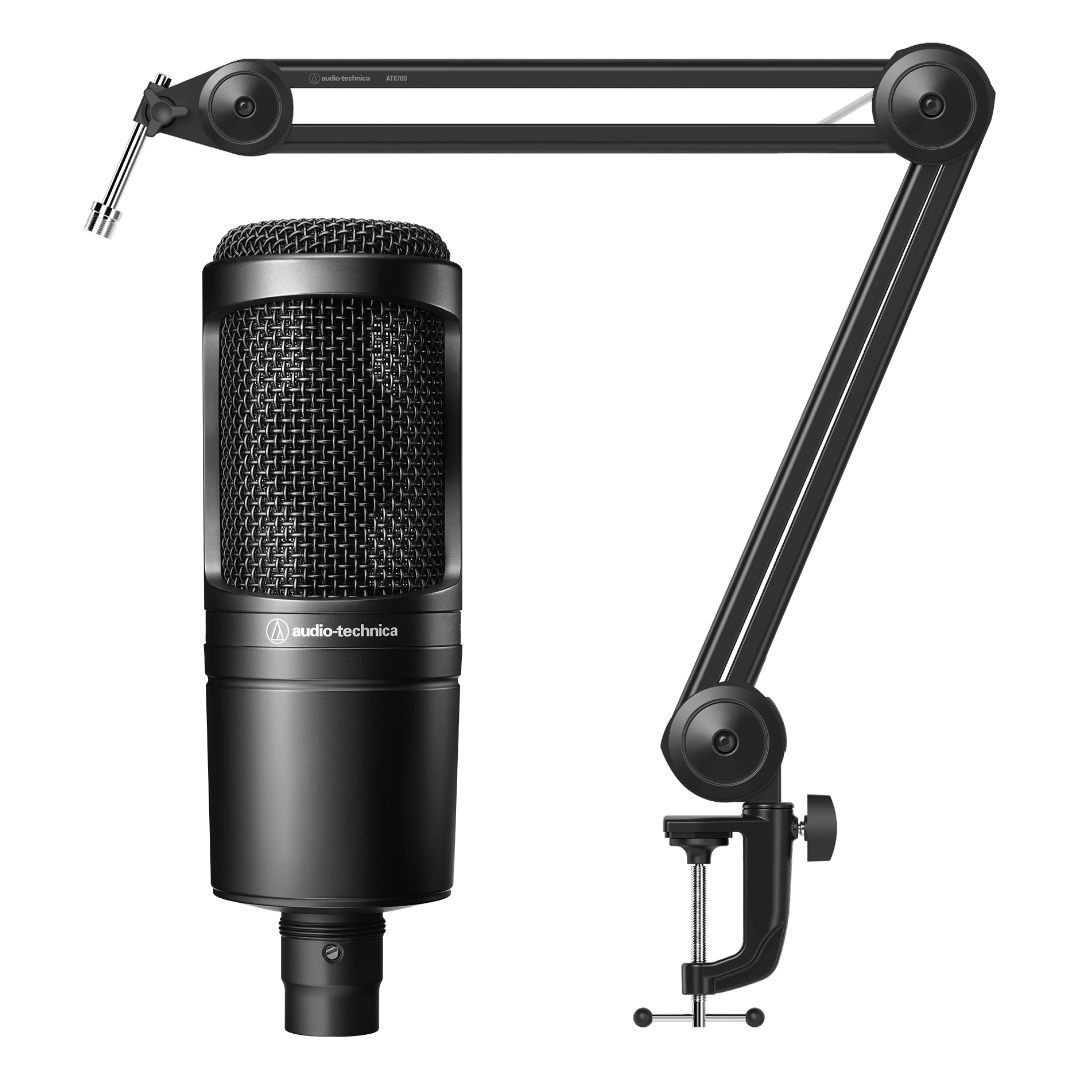
This large-diaphragm condenser captures vocals with clarity and detail that rivals microphones costing several times more. The frequency response extends from 20Hz to 20kHz, giving you full-range capture of whatever you're recording.
The AT2020 requires phantom power and is more sensitive to room acoustics than dynamic mics. In a treated space, this microphone shines. In an untreated bedroom, you'll need to manage reflections with blankets, foam, or a reflection filter.
Best for: Studio vocals, acoustic instruments, voiceover work, streaming (with proper acoustic treatment)
Where it falls short: Picks up room noise and reflections, requires phantom power, not suitable for loud sources
Rode NT1-A: The Step Up
If you can stretch your budget to around $230, the Rode NT1-A represents a significant step up in sound quality and noise performance. It's one of the quietest microphones on the market, with a self-noise of only 5dBA.
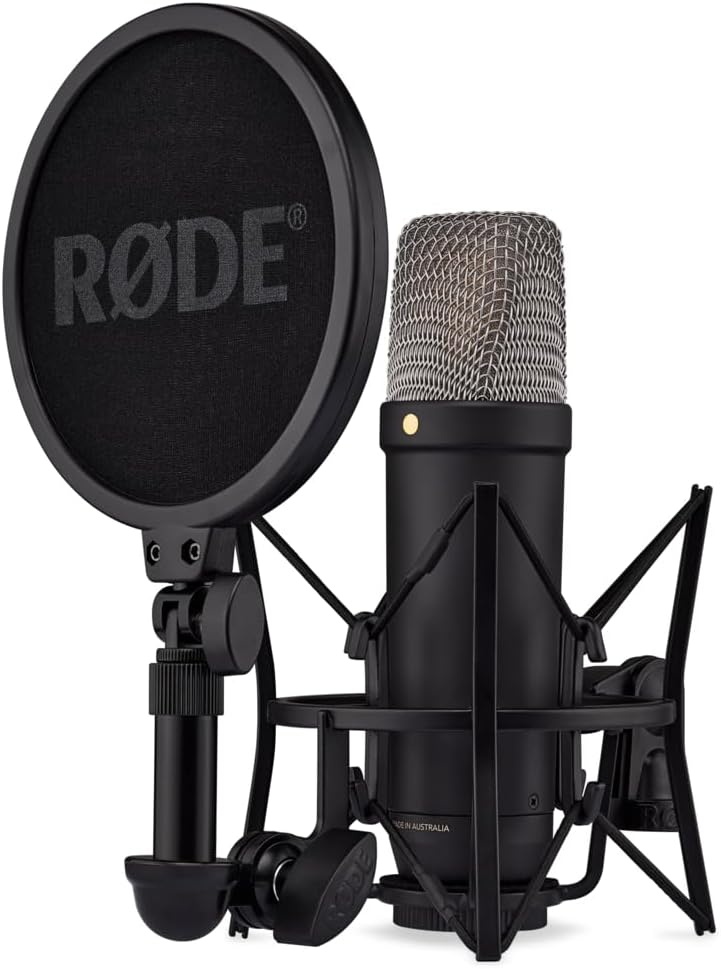
The NT1-A comes as a complete package with a shock mount, pop filter, and XLR cable included. This bundle adds real value since you'd need these accessories anyway.
The sound is clear and detailed with a slight presence boost that flatters vocals. It handles a wide range of sources well, from soft vocals to acoustic guitars to voice-over work.
Best for: Serious home studio recordings, singer-songwriters, voice actors, anyone ready to invest in quality
Where it falls short: Still requires good acoustic treatment, more expensive than alternatives
AKG P220: The Versatile Performer
The AKG P220 sits in the $150-170 range and offers switchable pad and bass cut features not found on the AT2020. These switches give you more flexibility for different recording situations.
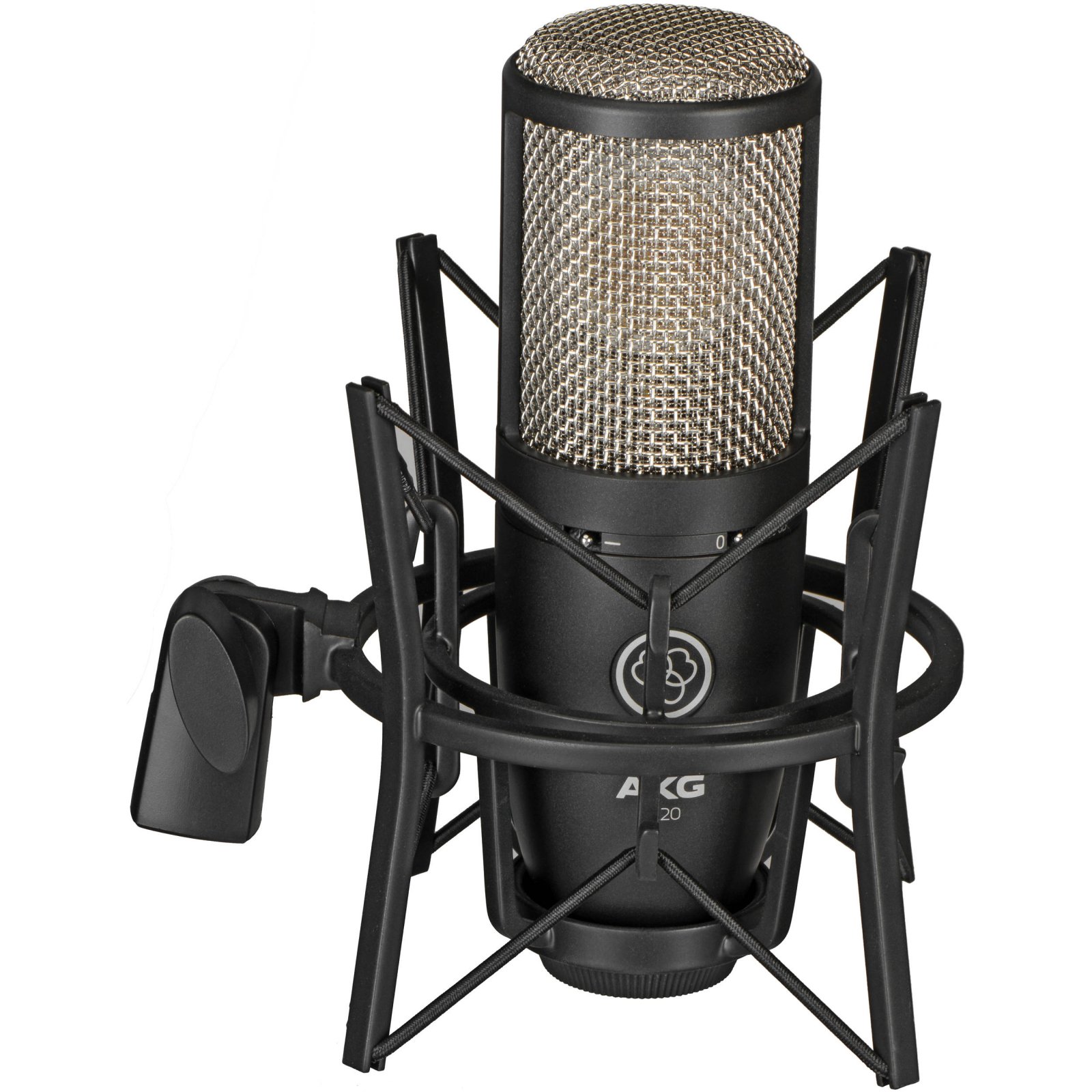
The -20dB pad lets you record louder sources without distortion, while the bass cut filter helps control room rumble and proximity effect. The sound is neutral and detailed, making it suitable for a wide variety of sources.
Best for: Recording multiple sources (vocals, instruments, percussion), home studios that need flexibility
Where it falls short: Character might be too neutral for some tastes, not as popular so fewer online resources
Quick Recommendation Summary
Best Overall Budget Choice: Shure PGA58 ($50-60) - Great sound, versatile, affordable
Best Industry Standard: Shure SM58 ($100-120) - Indestructible, proven, reliable
Best Budget Condenser: Audio-Technica AT2020 ($100) - Studio quality on a budget
Best Mid-Level Choice: Rode NT1-A ($230) - Professional quality with accessories included
Best for Podcasters: Samson Q2U ($70) - USB and XLR flexibility
Best Versatile Condenser: AKG P220 ($150-170) - Switches and flexibility for various sources
Remember, the best microphone is the one you actually own and use. Stop researching and start recording. Your audience is waiting to hear what you create.